Skip to the main content

We turn what you know about medical necessity denials into an appeals firm for patients, with you as its partner.

You read the chart, sign each appeal and prepare the treating doctor for peer-to-peer calls. Our technology finds the patients and builds every appeal against the insurer's own criteria, and we find the clients and handle the billing and admin.

Earn an extra income as the partner in a health insurance appeals firm, without the hassle of running one.

  • You pay nothing to join.

    We fund the build, the systems and the marketing.

  • You own real shares as a partner.

    You are a partner in the firm, not an employee.

  • You are paid for every appeal you sign.

    Each appeal reaches you already prepared.

  • No clients to find and no paperwork to fill in.

    Our technology finds the patients and builds every appeal against the insurer's own criteria.

  • You choose your appeals and your hours.

    Denials arrive all year, and each appeal reaches you with its deadline set.

  • You are the only appeals partner we work with for this firm in the US.

Insurers deny tens of millions of claims every year, and almost nobody appeals, even for surgery, specialty drugs or a hospital stay.

Patients and families holding a written denial for a big treatment have a short deadline, a letter full of jargon and no idea which criteria they failed.

  • 1

    Insurers on HealthCare.gov received about 496 million in-network claims in 2024, and denied about 85 million of them.

  • 2

    Fewer than 1 percent of denied claims were appealed.

  • 3

    Insurers upheld 66 percent of the denials that were appealed, and only 4 percent of those went on to external review.

  • 4

    In Pennsylvania, independent reviewers have overturned about 48 percent of the eligible denials sent to them.

  • 5

    Only 40 percent of consumers believed they had a right to appeal to an independent medical expert.

  • 6

    For 36 percent of denials, the reason given was simply other, so patients never learn what went wrong.

Book 15 minutes with Adam

Patients need what only someone who has worked in utilization review knows: the insurer scores the file against a checklist, not the story.

  • You know the reviewer is usually working from InterQual, MCG or the plan's own policy, and which criteria the file has to meet.

  • You know that documentation beats narrative, so every criterion needs dated evidence from the chart.

  • You know the one question to ask on a peer-to-peer call, and doctors are never taught how to prepare for one.

  • You know when to take a case to external review, where about half of the eligible cases are overturned.

Book 15 minutes with Adam

Your only job is the expert judgement, while we find the patients, prepare the work and run the firm.

You read the chart, sign each appeal and prepare the treating doctor for peer-to-peer calls.

  • Read the chart and decide how each appeal is argued.
  • Check the draft letter of medical necessity before it goes to the doctor.
  • Sign each appeal.
  • Brief the treating doctor for the peer-to-peer call.
We do all the work of finding the patients and preparing every appeal.

  • Find patients and families holding a written denial.
  • Sign patients up online with their authorisation, the denial and the policy.
  • Name the criteria set and set every deadline.
  • Gather the medical records and map them to each criterion.
  • Draft the appeal and the letter of medical necessity for the doctor to sign.
  • Run the firm's website, systems, billing and admin.

Our technology prepares every appeal, and you check it, sign it and follow it from one place.

  1. 1

    New appeals arrive already prepared for your judgement.

    The technology finds the clients, gathers the documents and builds the evidence first.

    Your firm: new appeals
    Example

    Arrived this week, already prepared

    • Spinal fusion, L4 to L5Ohio. Denied as not medically necessary.Criteria matched
    • Inpatient rehab after strokeGeorgia. Denied at day 7.Chart summarised
    • Biologic for Crohn's diseaseIllinois. Step therapy denial.Appeal drafted
    • Residential eating disorder careCalifornia. Level of care denied.Deadline set
  2. 2

    Each appeal reaches you as a finished draft to check and sign.

    You make the call that needs an expert, and your signature sends it.

    For your review
    Example

    Draft prepared for you

    First-level appeal: spinal fusion, L4 to L5

    Criteria used

    The insurer applied its own spine policy. Each criterion is listed with the chart page that meets it.

    Conservative treatment

    Twelve weeks of physical therapy and two injections, with dates from the chart.

    What the denial missed

    The MRI showing instability was in the file but not cited by the reviewer.

  3. 3

    The client follows their appeal on their own status page, so nobody chases you for updates.

    Your firm: your appeal
    Example

    appeal for

    Spinal fusion appeal

    1. Denial received

      Letter and chart collected

    2. Appeal filed

      Sent to the plan

    3. Peer-to-peer

      Call with the medical director

    4. Decision

      Due within 30 days

    5. External review

      If the plan upholds the denial

  4. 4

    Your appeal list shows every appeal, its stage and what needs you next.

    Your appeals
    Example
    ClientWhereStageNext
    • Spinal fusion, L4 to L5OhioAppeal draftedSign the appeal0
    • Residential eating disorder careCaliforniaUrgentBrief the doctor1
    • Biologic for Crohn's diseaseIllinoisFiledDecision due in 15 days2
    • Inpatient rehab after strokeGeorgiaPeer-to-peer bookedCall on Thursday3
    • Knee replacementTexasOverturnedSurgery scheduled4

A patient sends in a denial, the technology builds the case against the insurer's criteria, you sign, and the case goes to external review if needed.

  1. Step 1

    A patient or family finds the firm after a denial and uploads the denial letter and the policy.

    The client does this

    1
  2. Step 2

    Within 48 hours the system names the criteria set that failed and sets the deadline.

    We do all this work for you

    2
  3. Step 3

    The system gathers the medical records and maps them, date by date, to each criterion.

    We do all this work for you

    3
  4. Step 4

    It drafts the letter of medical necessity for the treating doctor to edit and sign.

    We do all this work for you

    4
  5. Step 5

    You read the chart, check the case and sign the internal appeal before the deadline.

    You do this

    5
  6. Step 6

    The treating doctor gets a one-page brief and the one question to ask on the peer-to-peer call.

    We do this together

    6
  7. Step 7

    If the insurer upholds the denial, the case goes to an independent reviewer, and you are paid for every appeal you sign.

    We do all this work for you

    7
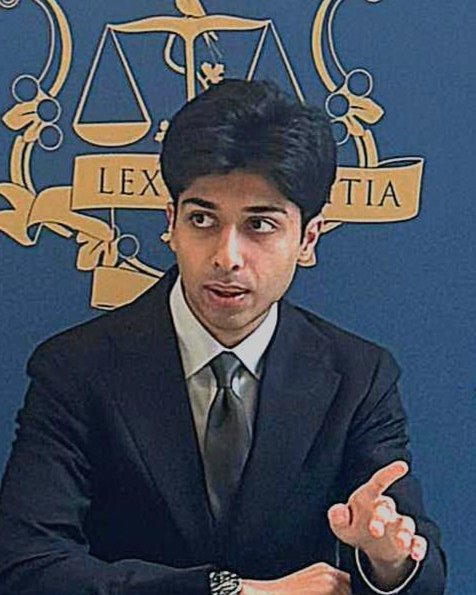
Adam, the founder of Ruskin Morris.

Ruskin Morris was founded by Adam, an AI researcher and entrepreneur who studied Computer Science and Philosophy at Oxford, has started companies in the GovTech and EdTech spaces, and has built businesses for experts including in the financial sector.

We named the company after John Ruskin and William Morris, two Victorian Britons who argued that skilled work deserves to be properly valued and properly paid. That is what we do for experts today.

Here are straight answers to the questions people ask us before they book a call.

Book 15 minutes with Adam
Is this a job?

No. You are a partner with real shares in the firm, not an employee, and you are paid for every appeal you sign.

Do I pay anything?

No. We fund the build, the systems and the marketing.

Who is this for?

Registered nurses with utilization review or case management experience, former insurer appeals staff, and Board Certified Patient Advocates.

Do I have to talk to patients?

Only when a case needs you. The system handles intake and updates, and you take the calls where your view matters.

What about cheap AI letter tools?

They suit small, common denials. A big-ticket denial needs someone to read the chart, map it to the criteria and sign, and that is your part.

How am I paid?

Adam goes through the money on the call, and it is all written into the partnership agreement before you start.

Why isn't the firm named after me?

The firm has its own name so it can keep serving clients however much you choose to work. You are named on it as its partner.

Find out how what you know about medical necessity denials can become a firm with you as its partner.

Book 15 minutes with Adam