You tell us how you coach and run the live sessions.
- Tell us how you examine and train piano technicians in an interview.
- Check the course and the practice tunings are right.
- Run live sessions by video call.
- Decide how many tuners you take on.
You run the live sessions. We build the full programme around your method, find the tuners, and handle sign-ups and payments.
We build the website and find the tuners who want your help.
We handle the sign-ups, payments, bookings and the platform.
Take on as many or as few tuners as you want, and change it whenever you like.
The programme carries your name, and everything your tuners use between sessions is built from how you teach.
They sign up, pay and book into your diary, so you never chase anyone.
Piano tuning is an unregulated trade, so many people tune for money without the title that brings clients to them.
Home study never scores a tuning against a master tuning. You have sat on the exam panel.
You answer in your own words, and it asks follow-up questions until every point is captured.
Interviewer
Where do most candidates fail the tuning exam?Every lesson uses your examples and your rules, and your name is on the programme.
Module 3, lesson 2
The tuning exam compares your tuning with a master tuning on the same piano. Small errors in the unisons cost the most points.
In this lesson you will tune the temperament octave by ear and check each interval with beat rates.
Your name's rule
Hear it before you check it.
They know exactly what to fix before your next live session.
Your tuning, scored against a master tuning.
Temperament octave within tolerance on every note.
Midrange unisons slightly open on 4 notes.
High treble not checked against the octaves below.
Anything unusual is flagged for you to look at.
Your tuners
Next live sessions
For your review
Step 1
You do this
Step 2
We do this together
Step 3
We do all this work for you
Step 4
We do all this work for you
Step 5
We do all this work for you
Step 6
We do this together
Step 7
We do all this work for you
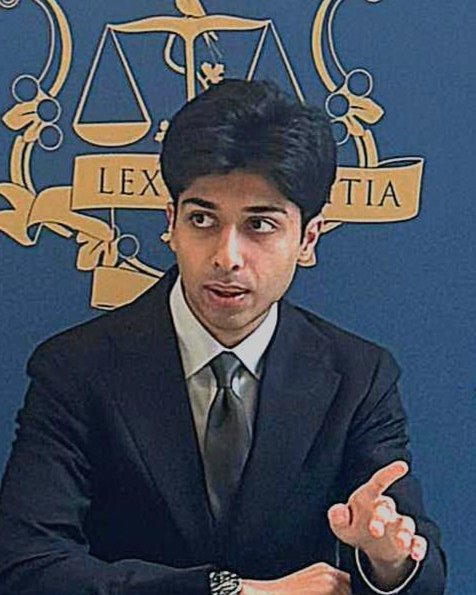
Ruskin Morris was founded by Adam, an AI researcher and entrepreneur who studied Computer Science and Philosophy at Oxford, has started companies in the GovTech and EdTech spaces, and has built businesses for experts including in the financial sector.
We named the company after John Ruskin and William Morris, two Victorian Britons who argued that skilled work deserves to be properly valued and properly paid. That is what we do for experts today.
PTG tuning and technical examiners, RPTs who teach at piano technology schools, and concert and university technicians.
Yes. You coach your own clients and do not sit on their exam panel, and the exam is set up to be fair whoever runs it.
A course built from how you teach, practice tunings marked the way you'd mark them, and an assistant that answers their questions in your approach, day or night.
No. We find them, book them into your sessions and handle every payment and reminder.
As much as you choose. Your time goes on the live sessions, and you set how many tuners you take.
Only in your live sessions, which are by video call.
Adam goes through the money on the call, and it is all written down before you start.
It depends on the circumstances, and we'll go through it on the call.