Skip to the main content

We turn what you know about pre-charge, exceptional-hardship and firearms representations into a UK written representations firm, with you as its partner.

You decide the timing, sign each file and appear at any hearing. Our technology finds the clients and builds every file, and we find the clients and handle the billing and admin.

Earn an extra income as the partner in a written representations firm, without the hassle of running one.

  • You pay nothing to join.

    We fund the build, the systems and the marketing.

  • You own real shares as a partner.

    You are a partner in the firm, not an employee.

  • You are paid for every file you sign.

    Each file reaches you already prepared.

  • No clients to find and no paperwork to fill in.

    Our technology finds the clients and builds every file.

  • You choose your files and your hours.

    Files come in all year, and most have a deadline of weeks, not days.

  • You are the only solicitor partner we work with for this firm in the UK.

Thousands of drivers, professionals and shooters each year face a decision that a well-evidenced written file can change.

Drivers on 12 points, people released under investigation and certificate holders facing revocation all have a short window to put their case in writing.

  • 1

    8,632 drivers hold a licence with 12 or more points, many of them after an exceptional-hardship argument.

  • 2

    Police revoked 546 firearm certificates in the latest year, the highest number since comparable records began in 2007.

  • 3

    Police also revoked 1,453 shotgun certificates and refused 955 new applications in the same year.

  • 4

    People released under investigation can wait months for a charging decision, and many are told to wait and see after interview.

  • 5

    Hardship and firearms appeals must usually be lodged within 21 days.

Book 15 minutes with Adam

Clients need what only an experienced criminal or motoring solicitor knows: what moves an officer in charge, a bench and a chief constable.

Most people turn up with a few letters or wait for the police to decide. The files that win are evidenced line by line.

  • You know the bench cares most about how innocent third parties would be affected, not about the driver.

  • You know an employer letter has to come from someone senior on company letterhead to count.

  • You know the police can take no further action without sending the case to the CPS, if the file shows the evidence is not there.

  • You know a firearms appeal is heard afresh, and that new evidence and representations can go to the chief constable at any time before the hearing.

Book 15 minutes with Adam

Your only job is the expert judgement, while we find the clients, prepare the work and run the firm.

You decide the timing, sign each file and appear at any hearing.

  • Decide whether and when each file goes in.
  • Review and sign each set of representations.
  • Appear at hearings, or instruct counsel.
  • Take the cases that need more than a written file.

We do all the work of finding the clients and preparing every file.

  • Find drivers, professionals and shooters who need a written file.
  • Take in each notice, interview record or points history.
  • Run a guided interview with each client and transcribe it.
  • List the evidence needed and chase every letter and document.
  • Draft the representations to the right test.
  • Run the firm's website, systems, billing and admin.

Our technology prepares every file, and you check it, sign it and follow it from one place.

  1. 1

    New files arrive already prepared for your judgement.

    The technology finds the clients, gathers the documents and builds the evidence first.

    Your firm: new files
    Example

    Arrived this week, already prepared

    • Exceptional hardship, 12 pointsLeeds Magistrates. Hearing in 3 weeks.Hardship file started
    • Shotgun certificate revokedDevon and Cornwall Police. Appeal window open.Letter analysed
    • Common assault, pre-chargeManchester. Interviewed under caution.Disclosure listed
    • Speeding at 104 in a 70Kent. Single justice procedure notice.Mitigation drafted
  2. 2

    Each file reaches you as a finished draft to check and sign.

    You make the call that needs an expert, and your signature sends it.

    For your review
    Example

    Draft prepared for you

    Exceptional hardship file: sales manager, 12 points

    Who would be hurt

    Two staff would lose their jobs and a disabled parent would lose daily care.

    Employer evidence

    Letter from the managing director on company letterhead, confirming the role needs a licence.

    No other way

    Bus and train times checked for each client visit. None can be reached in a working day.

  3. 3

    The client follows their file on their own status page, so nobody chases you for updates.

    Your firm: your file
    Example

    file for

    Exceptional hardship, 12 points

    1. Instructions

      Facts and points history taken

    2. Evidence gathered

      Employer, family and medical letters

    3. Bundle drafted

      Statement and evidence in order

    4. Hearing

      Leeds Magistrates, 14 March

    5. Outcome

      Licence kept or ban imposed

  4. 4

    Your file list shows every file, its stage and what needs you next.

    Your files
    Example
    ClientWhereStageNext
    • Exceptional hardshipLeedsBundle draftedApprove the statement0
    • Shotgun certificateDevonReasons receivedDraft the appeal1
    • Common assaultManchesterPre-chargeLetter to the officer in charge2
    • Speeding at 104KentMitigation sentCourt date awaited3
    • Section 172 noticeEssexClosedCase dropped4

A client gets in touch, the technology builds the file, you decide the timing and sign, and the representations go in ready for the decision or the hearing.

  1. Step 1

    A driver, professional or shooter searches for help and signs up online.

    The client does this

    1
  2. Step 2

    The client uploads the notice, interview record or points history, and the technology builds the timeline.

    We do all this work for you

    2
  3. Step 3

    The client takes a guided interview, and the technology lists the evidence and chases the letters.

    We do this together

    3
  4. Step 4

    The technology drafts the representations to the exceptional hardship test, the Full Code Test or the public safety test.

    We do all this work for you

    4
  5. Step 5

    You review the file, decide when it goes in and sign it.

    You do this

    5
  6. Step 6

    Where a hearing follows, you appear, or instruct counsel, with the bundle ready.

    You do this

    6
  7. Step 7

    Criminal and motoring firms short of fee-earners can send files too, and you are paid for every file you sign.

    We do all this work for you

    7
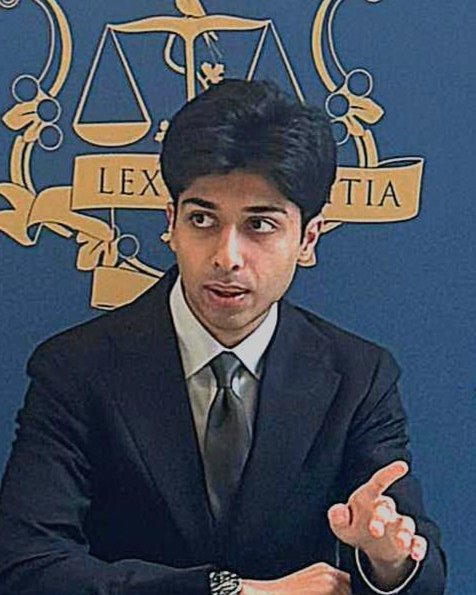
Adam, the founder of Ruskin Morris.

Ruskin Morris was founded by Adam, an AI researcher and entrepreneur who studied Computer Science and Philosophy at Oxford, has started companies in the GovTech and EdTech spaces, and has built businesses for experts including in the financial sector.

We named the company after John Ruskin and William Morris, two Victorian Britons who argued that skilled work deserves to be properly valued and properly paid. That is what we do for experts today.

Here are straight answers to the questions people ask us before they book a call.

Book 15 minutes with Adam
Is this a job?

No. You are a partner with real shares in the firm, not an employee, and you are paid for every file you sign.

Do I pay anything?

No. We fund the build, the systems and the marketing.

Who is this for?

Criminal defence, motoring and firearms-licensing solicitors who write pre-charge representations, hardship statements or firearms appeals.

Do I still do the court work?

Yes. The firm builds the written file, and you sign it and appear at any hearing, or instruct counsel.

Who decides when representations go in?

You do. The file is ready early, and you decide when, and whether, it goes.

How am I paid?

Adam goes through the money on the call, and it is all written into the partnership agreement before you start.

Why isn't the firm named after me?

The firm has its own name so it can keep serving clients however much you choose to work. You are named on it as its partner.

Find out how what you know about written representations in criminal, motoring and firearms cases can become a firm with you as its partner.

Book 15 minutes with Adam