Skip to the main content

We turn what you know about premises licences into a licensing firm for bars, restaurants and shops, with you as its partner.

You check each application, agree conditions with the police and speak at the hearings. Our technology finds the venues and prepares every application and hearing pack, and we find the clients and handle the billing and admin.

Earn an extra income as the partner in a licensing firm, without the hassle of running one.

  • You pay nothing to join.

    We fund the build, the systems and the marketing.

  • You own real shares as a partner.

    You are a partner in the firm, not an employee.

  • You are paid for every case you sign.

    Each case reaches you already prepared.

  • No clients to find and no paperwork to fill in.

    Our technology finds the venues and prepares every application and hearing pack.

  • You choose your cases and your hours.

    Applications come in all year, and you choose which hearings you attend.

  • You are the only licensing partner we work with for this firm in England and Wales.

Premises licence reviews in England and Wales are rising, and nearly half of them end with the licence revoked.

Independent bars, restaurants, late-night venues and shops face objections and reviews on their own, and the solicitors bill the hearing on top.

  • 1

    There are about 227,300 premises licences on issue in England and Wales.

  • 2

    About 600 premises licence reviews were carried out in the year to March 2026, around 30% more than two years before.

  • 3

    46% of reviews ended with the licence revoked or withdrawn, and only 7% ended with no action.

  • 4

    Hearings are usually heard within 28 days of the end of the representation period, so an operator facing one has weeks, not months.

  • 5

    The government did not adopt a minimum evidence bar for objections, so residents can still turn a simple application into a hearing.

  • 6

    A planned amnesty on old conditions will lead many operators to vary licences they have held for years.

Book 15 minutes with Adam

Operators need what only a former licensing officer knows: which objections count, and which conditions the police will accept.

  • You know that many objections are on planning grounds that are not relevant to a licence.

  • You know the sub-committee wants real evidence, not fear, and how to show it.

  • You know which conditions and hours the police will agree before the hearing, so most cases settle before the sub-committee sits.

  • You know how a review hearing runs, and what an action plan has to show the police to keep a business open.

Book 15 minutes with Adam

Your only job is the expert judgement, while we find the operators, prepare the work and run the firm.

You check each application, agree conditions with the police and speak at the hearings.

  • Check each application against the council's licensing policy.
  • Agree conditions and hours with the police and environmental health.
  • Speak for the operator at sub-committee hearings.
  • Set the action plan for the police in a review.
We do all the work of finding the operators and preparing every case.

  • Find bars, restaurants, late-night venues and shops that need a new licence, a variation or a hearing.
  • Take each operator through a short questionnaire and collect the floor plan and photos.
  • Draft the operating schedule, plans narrative and proposed conditions the same day.
  • Serve the application and notices and track the consultation period.
  • Build the hearing pack and the evidence bundle for reviews.
  • Run the firm's website, systems, billing and admin.

Our technology prepares every case, and you check it, sign it and follow it from one place.

  1. 1

    New cases arrive already prepared for your judgement.

    The technology finds the clients, gathers the documents and builds the evidence first.

    Your firm: new cases
    Example

    Arrived this week, already prepared

    • The Lantern barBristol. New licence, 9 residents object.Objections sorted
    • Corner Shop, Mill RoadCambridge. Variation for later alcohol sales.Conditions drafted
    • Club NovaLeeds. Police review after an assault.Action plan started
    • Hilltop FestivalShropshire. Time limited licence.Operating schedule built
  2. 2

    Each case reaches you as a finished draft to check and sign.

    You make the call that needs an expert, and your signature sends it.

    For your review
    Example

    Draft prepared for you

    Hearing bundle: The Lantern bar

    Objections

    Nine received. Four are about parking and planning, which the sub-committee cannot consider.

    Evidence

    A noise survey and dispersal plan, not fear of what might happen.

    Conditions

    Hours and door staff agreed with the police before the hearing.

  3. 3

    The client follows their case on their own status page, so nobody chases you for updates.

    Your firm: your case
    Example

    case for

    The Lantern bar

    1. Application

      Served and advertised

    2. Consultation

      28 days for representations

    3. Police talks

      Conditions agreed

    4. Hearing

      Licensing sub-committee

    5. Decision

      Licence granted with conditions

  4. 4

    Your case list shows every case, its stage and what needs you next.

    Your cases
    Example
    ClientWhereStageNext
    • The Lantern barBristolBundle readySunday hours call0
    • Club NovaLeedsReviewAgree the action plan1
    • Corner Shop, Mill RoadCambridgeConditions draftedSend to police2
    • Hilltop FestivalShropshireSchedule builtSubmit the notice3
    • Market TapYorkGrantedClosed4

An operator sends in their plans, the technology drafts the application, you settle the objections, and the licence is granted, varied or kept.

  1. Step 1

    We find independent bars, restaurants, late-night venues and shops that need a new licence, a variation or help with a review.

    We do all this work for you

    1
  2. Step 2

    The operator answers a short questionnaire and uploads the floor plan and photos.

    The client does this

    2
  3. Step 3

    The technology drafts the operating schedule, the plans narrative and the proposed conditions the same day.

    We do all this work for you

    3
  4. Step 4

    You check the draft against local policy and sign it off, and we serve the application and notices.

    You do this

    4
  5. Step 5

    When representations come in, you agree conditions with the police and environmental health before any hearing.

    You do this

    5
  6. Step 6

    If a hearing is needed, the technology builds the pack and you attend and speak.

    We do this together

    6
  7. Step 7

    The licence is granted, varied or kept, and you are paid for every case you sign.

    We do all this work for you

    7
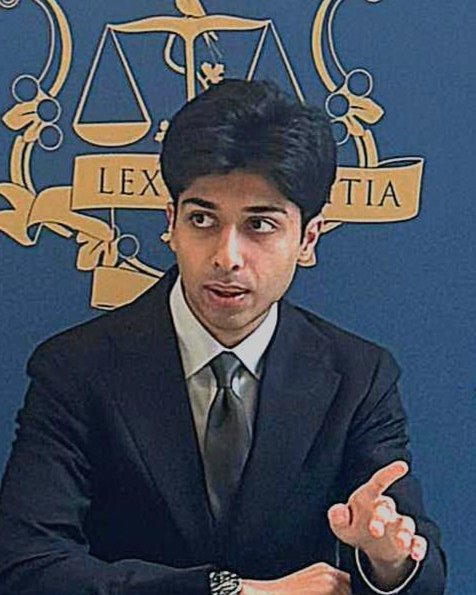
Adam, the founder of Ruskin Morris.

Ruskin Morris was founded by Adam, an AI researcher and entrepreneur who studied Computer Science and Philosophy at Oxford, has started companies in the GovTech and EdTech spaces, and has built businesses for experts including in the financial sector.

We named the company after John Ruskin and William Morris, two Victorian Britons who argued that skilled work deserves to be properly valued and properly paid. That is what we do for experts today.

Here are straight answers to the questions people ask us before they book a call.

Book 15 minutes with Adam
Is this a job?

No. You are a partner with real shares in the firm, not an employee, and you are paid for every case you sign.

Do I pay anything?

No. We fund the build, the systems and the marketing.

Who is this for?

Retired police licensing officers, former council licensing officers and licensing consultants in England and Wales who know the four licensing objectives and the section 182 guidance.

Do I need to be a solicitor?

No. A licensing sub-committee is not a court, so you can speak for an operator at a hearing. Appeals to the magistrates' court go to a solicitor partner.

Which councils would I cover?

You choose. We start in one busy area for night-time venues, and add councils as you want more cases.

How am I paid?

Adam goes through the money on the call, and it is all written into the partnership agreement before you start.

Why isn't the firm named after me?

The firm has its own name so it can keep serving clients however much you choose to work. You are named on it as its partner.

Find out how what you know about premises licences can become a firm with you as its partner.

Book 15 minutes with Adam